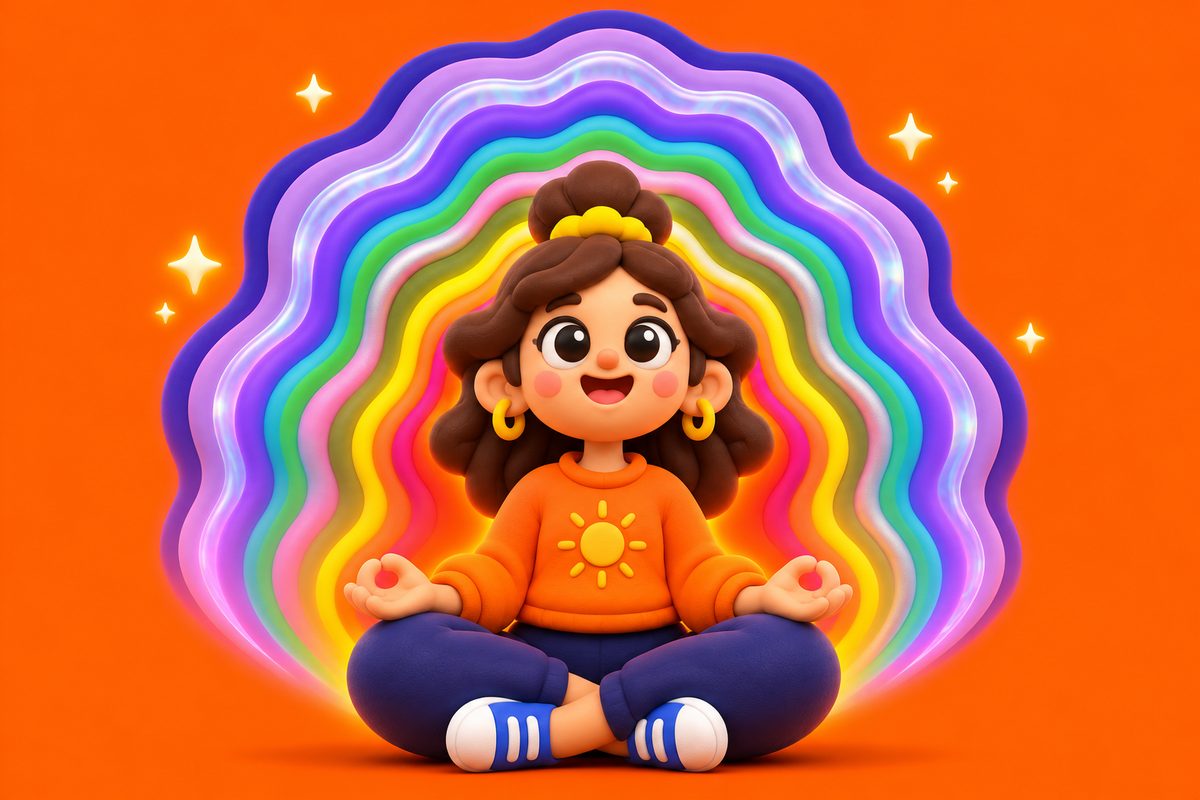
Aura colors are one of the oldest personality shorthands around. People have been describing each other as "fiery," "cool-headed" or "sunny" for centuries, and the aura idea simply gives those moods a color and a name. Nobody has ever measured an aura with a lab instrument (more on that in What Is an Aura?), but as a mirror for thinking about yourself, the color system is surprisingly handy.
This guide covers the 14 colors used in our Aura quiz. They fall into three families. Physical auras (Red, Orange, Magenta, Yellow) live through action and the senses. Mental auras (Silver, Olive, Pink, Teal, Green) process the world through observation and ideas. Emotional auras (Blue, Violet, Crystal, Lavender, Indigo) lead with feeling, meaning and intuition.
Read your own color first, then read the ones your closest friends would get. Most people recognize themselves in two or three colors, which is normal. Think of your main color as your default setting, not your whole personality.
The Physical Auras
Physical auras learn by doing. They trust what they can see, touch and try, and they tend to get restless when a plan stays on paper for too long.
Red: The Embodied Force
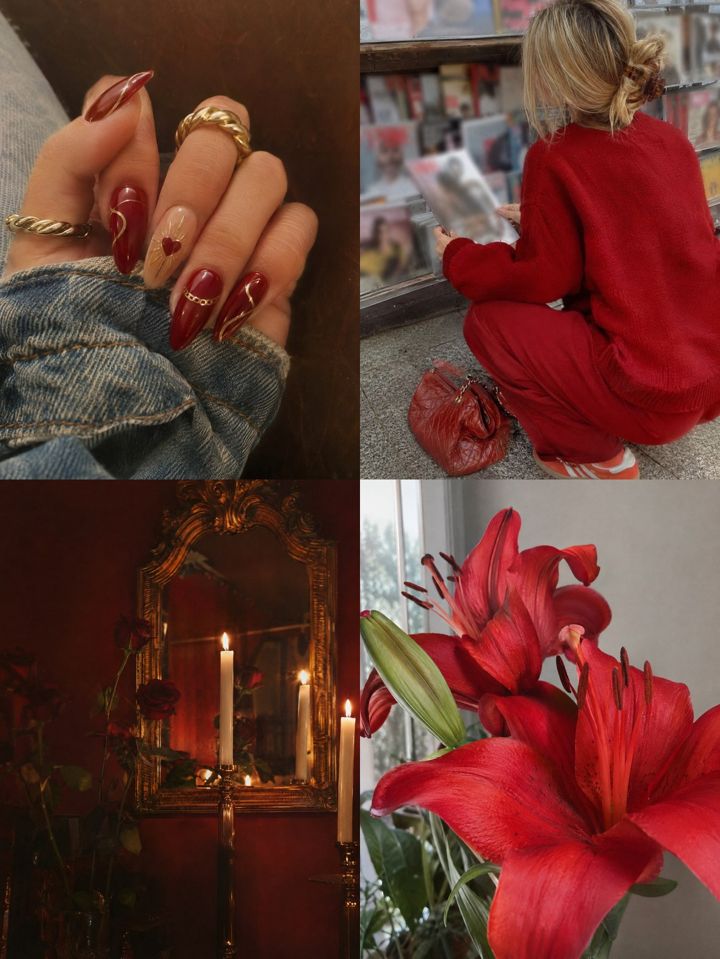
Red is the person who stands up first when something needs to happen. They are direct, physical and honest to a fault, the friend who says "I'll handle it" and then actually does. Reds often show their feelings through action rather than words: they'll help you move apartments before they'll talk about why you're sad.
Strengths: courage under pressure, decisiveness, loyalty you can lean on, a talent for turning talk into results.
Blind spots: Reds can steamroll. When they're sure, they stop asking questions, and quieter people in the room may stop offering ideas. Their temper also runs hot and fast, even if it cools just as quickly.
In friendships: A Red friend is your bodyguard and your hype person. They'll confront the rude waiter and drive across town at midnight. What they need from you is honesty delivered straight; hints and passive comments tend to fly right past them.
Orange: The Limit Breaker
Orange auras are the explorers. They want to see what's past the edge of the map, whether that's a solo trip, a new sport or a career change on a Tuesday. Rules feel optional to them, and boredom feels almost physical.
Strengths: bravery, spontaneity, independence, and a rare comfort with not knowing how things will turn out.
Blind spots: The thrill of starting can be more fun than the work of finishing. Oranges may leave half-built projects behind and can underestimate risks that other people find obvious.
In friendships: An Orange friend is the reason you have good stories. They'll pull you out of your comfort zone in the best way. They also disappear for a while when a new adventure grabs them, so don't take a slow reply as a sign they've stopped caring.
Magenta: The Beautiful Misfit
Magenta is the original. Their style, humor and taste don't follow trends because they were never paying attention to the trends in the first place. They mix things that "shouldn't" go together and somehow make it work, whether that's an outfit, a playlist or a career.
Strengths: creativity, fearless self-expression, an eye for what's interesting, and the ability to make other people feel allowed to be weird too.
Blind spots: Magentas sometimes reject an idea because it's popular, even when it's useful. Structure, routines and paperwork can feel like a cage, and that can make long-term plans wobble.
In friendships: The Magenta friend is the one you text when you need an opinion nobody else would give you. They celebrate your strange side. In return, they need friends who don't try to sand down their edges.
Yellow: The Joy Bringer
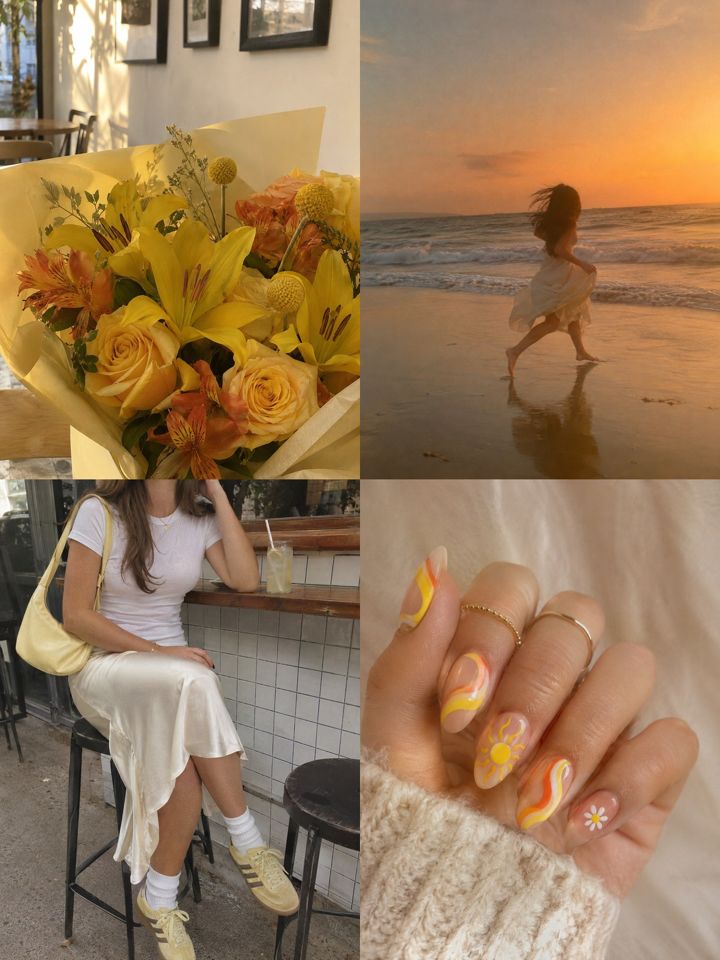
Yellow auras are warm, playful and easy to be around. They light up when people are having fun and can turn a boring Tuesday into a mini-event. Yellows often have a bright physical energy too; they move, gesture and laugh a lot.
Strengths: optimism, charm, humor, and a gift for making strangers feel like old friends within ten minutes.
Blind spots: Keeping things light can become a habit of avoiding heavy conversations. Yellows may change the subject when feelings get serious or say yes to too many plans to disappoint anyone.
In friendships: A Yellow friend is pure good company. They remember to invite the new person and they make group chats fun. Every so often, check in on them properly. The happiest person in the room is not always the happiest person at home.
The Mental Auras
Mental auras understand the world by thinking it through. They notice patterns, ask questions and usually want a reason before they commit to anything.
Silver: The Quiet Architect
Silver is the calm, clear thinker who sees the answer while everyone else is still arguing about the question. They value logic, competence and reliability. Silvers rarely brag, but people quickly learn that when a Silver speaks up, it's worth listening.
Strengths: sharp problem solving, dependability, patience with complex things, and the ability to stay steady when plans fall apart.
Blind spots: Silvers like a full explanation before they trust anything, including their own feelings. They can come across as cool or detached, and they may overthink decisions that only need a gut call.
In friendships: The Silver friend is your fixer and your sounding board. Bring them a messy problem and they'll help you lay it out piece by piece. Show affection in practical ways: they'll notice that you remembered the thing they mentioned three weeks ago.
Olive: The Grounded Observer
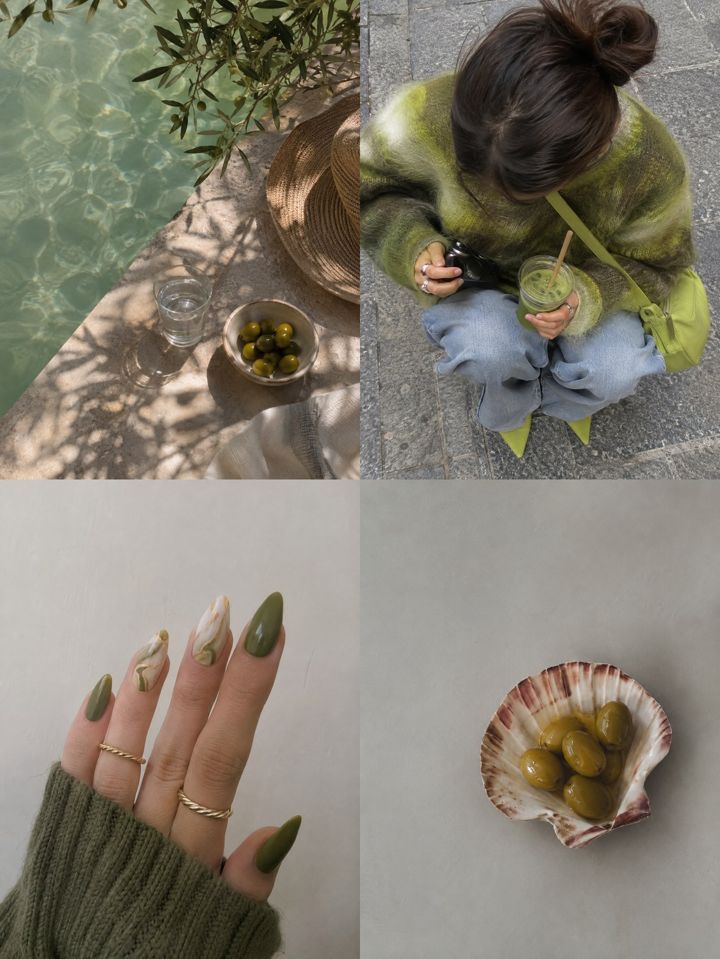
Olive auras notice everything. They catch the small detail in a movie, the shift in someone's tone, the one thing in a room that's slightly off. They tend to be resourceful and refined, with strong opinions about quality, comfort and their surroundings.
Strengths: perception, practicality, good taste, and the knack of making a lot out of a little.
Blind spots: Olives are more affected by their environment than they admit. Noise, clutter or tension in the air can drain them, and they may get quietly critical when things aren't done well.
In friendships: An Olive friend gives the most thoughtful gifts and the most accurate reads on people. They're the one who says "your new coworker seems nice, but watch how she talks about others." Invite them to calm, cozy plans and they'll show up fully.
Pink: The Heart Reader
Pink auras are deeply considerate. They pick up on what people feel without being told, and they think carefully about how their words and choices land. In the aura tradition our quiz uses, Pink sits with the mental colors because that sensitivity comes with a lot of careful thinking about others.
Strengths: empathy, kindness, intuition about people, and a gentle way of making others feel understood.
Blind spots: Weighing every possible consequence can tip into hesitation. Pinks may struggle to say no, and they sometimes hold back their real opinion to keep the peace.
In friendships: A Pink friend remembers your bad week and checks in without you asking. They're excellent listeners. The best gift you can give them back is permission to be honest, even when the honest thing is a little uncomfortable.
Teal: The Curious Connector
Teal is the friend with fifteen browser tabs open, all of them interesting. They connect ideas from different places, ask questions nobody else thought to ask and get genuinely excited about learning. Conversation with a Teal tends to wander in delightful directions.
Strengths: curiosity, quick wit, creativity with ideas, and the ability to make almost any topic fascinating.
Blind spots: Too many ideas at once can scatter their focus. Teals may start a dozen hobbies and finish two, and they can lose interest once something stops being new.
In friendships: A Teal friend sends you articles at 1 a.m. with "you HAVE to read this." They're amazing at introducing people to each other and building little social webs. Help them follow through on one idea and they'll be grateful for a long time.
Green: The Strategic Mind
Green auras are ambitious planners. They see potential in people, projects and situations, and they know how to turn that potential into something real. Greens like goals, progress and a bit of healthy competition.
Strengths: strategy, drive, influence, and a talent for seeing the long game when others only see the next step.
Blind spots: Moving fast toward a result can make other people feel rushed or overlooked. Greens can also be hard on themselves, treating rest as something they have to earn.
In friendships: A Green friend is the one who helps you rewrite your resume and then reminds you to actually send it. They push you toward your best version. Every so often, remind them that friendship isn't a project and that hanging out with no goal is allowed.
 Take a break and playAura QuizYour friends pick the pictures, the quiz finds your color.Play now →
The Emotional Auras
Emotional auras lead with feeling and meaning. They often have rich inner lives and a strong sense of what matters, even when they can't explain it in neat logical steps.
Blue: The Open Heart
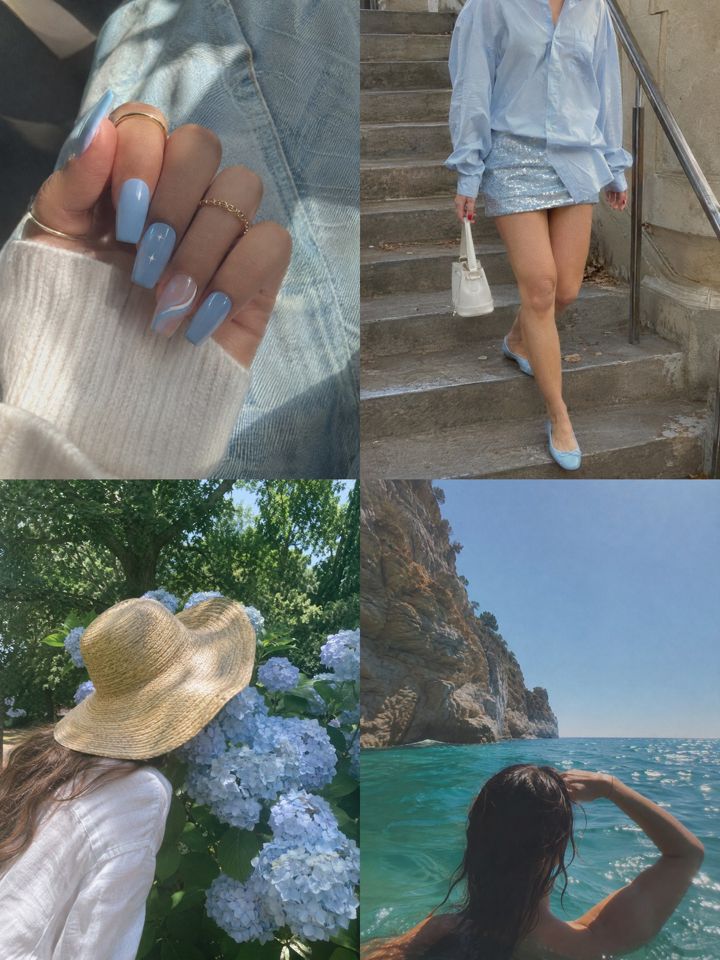
Blue is the caretaker of the aura spectrum. They love deeply, stay loyal for years and make people feel safe. Blues are often the emotional glue of a family or friend group, the person everyone calls when something goes wrong.
Strengths: warmth, loyalty, emotional support, and a talent for making people feel important.
Blind spots: Blues tend to put their own needs last. They may hold onto relationships that hurt them and feel guilty for asking for help.
In friendships: A Blue friend is the one who still has your birthday in their calendar from 2017. They show up. Make sure the care flows both ways by asking them how they're actually doing and waiting for the real answer.
Violet: The Visionary
Violet auras see the bigger picture. They're drawn to ideas about purpose, change and what the world could be, and they can inspire people to care about things beyond themselves. Violets often feel like they're meant for something, even if they're still working out what.
Strengths: vision, charisma, idealism, and the ability to rally people around a cause.
Blind spots: A big vision can stay abstract without a concrete next step. Violets may get frustrated with small, practical tasks and with people who don't share their sense of urgency.
In friendships: A Violet friend makes you feel like your life could be bigger. They'll talk with you for hours about meaning and the future. Ground them gently by asking, "Okay, what's the first step?"
Crystal: The Aura Chameleon

Crystal is the rarest-feeling result because it reflects whoever is around it. Crystals read a room instantly and adapt without demanding attention. They're calm, insightful and a little mysterious, and people often tell them things they've never told anyone else.
Strengths: emotional intelligence, adaptability, quiet insight, and a soothing presence.
Blind spots: Mirroring other people can make it hard to know what you actually want. Crystals can get overwhelmed in crowds and may need more alone time than others expect.
In friendships: A Crystal friend is the calm in your storm. They'll sit with you without needing to fix anything. Ask them directly what they want, because they may never volunteer it.
Lavender: The Dream Weaver
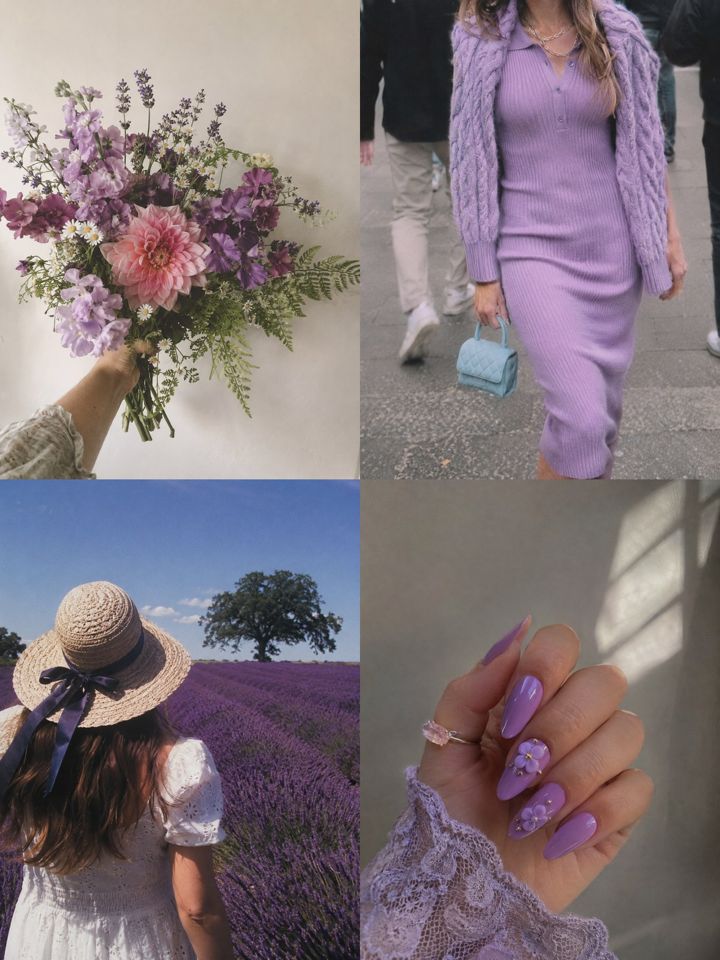
Lavender auras live partly in an inner world full of imagination, stories and beauty. They notice magic in ordinary things: the light at golden hour, the perfect song for a rainy bus ride. They're gentle and often artistic.
Strengths: imagination, sensitivity to beauty, creativity, and a sweet, unhurried way of being.
Blind spots: When real life feels too harsh, Lavenders may retreat into daydreams rather than deal with the problem. Deadlines and blunt conversations can feel especially draining.
In friendships: A Lavender friend makes the most beautiful playlists and remembers tiny details about the places you've been together. They need softness. Plans that are calm and creative, like a long walk or a coloring night, suit them best.
Indigo: The Inner Knowing
Indigo auras are deeply themselves. They follow their own compass, question rules that don't make sense and rarely fake an emotion to fit in. Indigos often have strong intuition and a "just knew it" sense that turns out to be right.
Strengths: authenticity, independence, intuition, and a steadiness that doesn't bend to peer pressure.
Blind spots: Trusting yourself strongly can make compromise or help feel unnecessary. Indigos may come across as stubborn, and they can feel lonely when they think nobody else understands them.
In friendships: An Indigo friend will never lie to you to make you feel better. They're loyal to a small circle and fiercely protective of it. Earn their trust slowly and you'll have a friend who sees the real you.
Using Your Aura Color Well
Your color is a starting point for reflection, not a verdict. A Red who has learned to listen and a Blue who has learned to say no are both still themselves, just with more range. The most useful question is usually, "Which part of this description is true for me, and which part would I like to grow?"
Colors also make great conversation starters. Ask a group of friends to guess each other's auras before taking a quiz, then compare. The surprises are the best part. If you want to see how your colors play together, our guide to aura color compatibility walks through which pairs click and which ones need a little patience. And if you like this kind of self-mapping, what your favorite color says about your personality is a fun next read.