In this article
Shopping in Japan is dangerous in the best way. You walk into a store for a pen and leave forty minutes later with a pen, three notebooks, a sheet mask, a tiny ceramic cat and a bag of snacks you can't read the label of. Everything is well made, cleverly designed and packaged like a gift, even when it costs very little.
The trick is to buy things you'll actually use at home, not just things that looked amazing under shop lights. We put together the categories that travel well, stay useful and still feel special months later, plus the stores where you'll find them and a few practical rules about tax-free shopping, which changed recently.
Keep a little space in your suitcase. You'll need it.
Stationery: the souvenir you'll use every day
Japanese stationery is the classic "why is this so much better than mine" purchase. Pens write smoothly, erasers actually erase and notebooks have paper that doesn't bleed.
Our hand-picked list:
- Uni Jetstream ballpoint pens. Smooth, quick-drying ink that left-handers love because it doesn't smear.
- Pilot FriXion erasable pens. The ink fades with friction heat, so you can erase it with the little rubber nub on the end.
- Zebra Sarasa gel pens. Huge color range, cheap enough to buy a whole rainbow.
- Kokuyo Campus notebooks. The everyday student notebook in Japan. Simple, sturdy and very nice to write in.
- Midori MD notebooks or Traveler's Notebook refills. For people who care about paper and want something quietly beautiful.
- Washi tape. Light, flat and endlessly giftable. You'll find patterns at every price.
- Seasonal postcards and letter sets. Cherry blossom in spring, maple leaves in autumn. Great for sending notes back home.
Where: Loft and Hands (the chain formerly called Tokyu Hands) have entire floors of stationery. Itoya in Ginza is a beautiful multi-story stationery store worth a visit even if you buy nothing.
Skincare and beauty
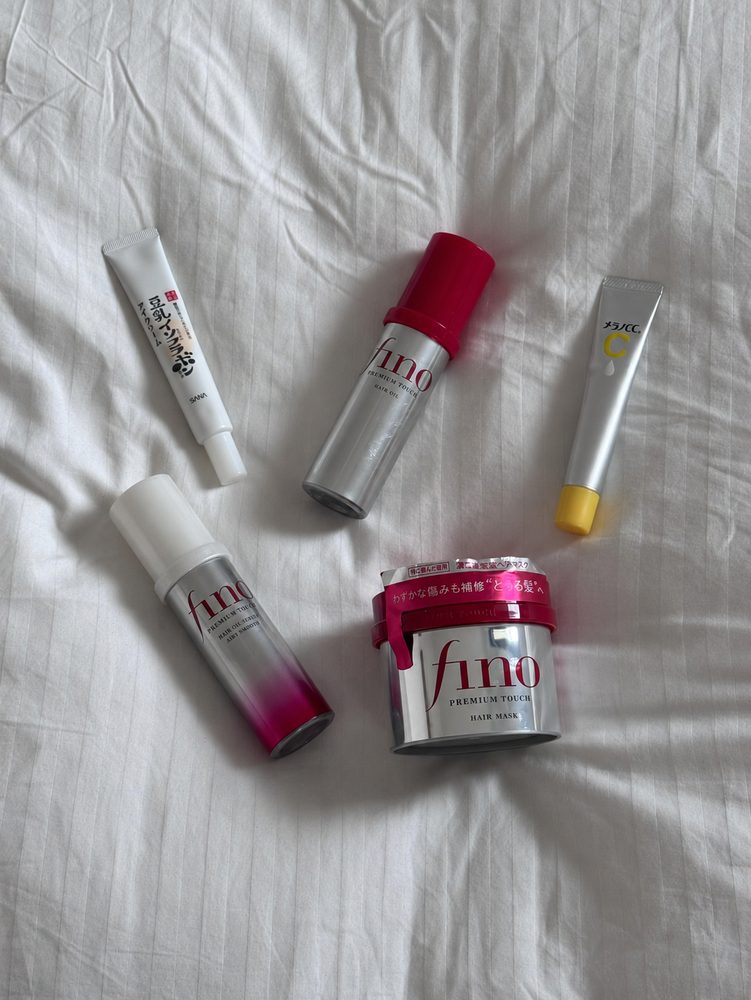
Japanese drugstores are a destination in themselves. Products are affordable, often gentle and designed for daily use rather than drama.
- Sunscreen. Japanese sunscreens are famous for feeling light and invisible. Bioré UV Aqua Rich is the one people stock up on.
- Hada Labo lotion. A simple, hydrating "lotion" (more like a watery toner) that many people swear by.
- Sheet masks. Lululun packs come in big boxes and regional flavors, which makes them easy to share.
- Canmake and Kate makeup. Affordable drugstore brands with good blushes, eyeliners and brow products.
- Melano CC vitamin C serum. A small tube with a cult following.
- Hot eye masks. Self-heating eye masks (look for MegRhythm by Kao) feel lovely on the plane home.
Where: Matsumoto Kiyoshi, Sundrug, Cocokara Fine and Don Quijote all carry these. Prices vary a little from shop to shop, so don't panic-buy at the first store you see. Liquids and creams count toward carry-on limits, so pack big bottles in your checked bag.
Snacks to bring back (and to eat on the way)
Edible souvenirs are perfect for coworkers, classmates and anyone who didn't come with you. Many come individually wrapped, because gift-giving culture is strong in Japan.
- Regional Kit Kats. Matcha, sakura, sweet potato and more, depending on the season and region.
- Tokyo Banana. Soft sponge cake with banana cream, the classic Tokyo gift box. Short shelf life, so buy near the end of your trip.
- Royce' chocolate. The Hokkaido brand known for its "nama" chocolate. The nama version needs to stay cool, so check the packaging.
- Jagarico and Calbee chips. Savory, crunchy and sold in flavors you'll never see at home.
- Black Thunder. A cheap, chocolate-covered cookie bar with a loyal following.
- Matcha and hojicha. Loose tea or powder is light and lasts a long time. Department store food halls (called depachika) have excellent tea counters.
- Furikake. Rice seasoning in small packets. Turns plain rice into dinner.
One warning: many countries restrict meat products at the border, and some snacks hide meat extract in the ingredients (certain instant ramen and seasonings). Check your home country's customs rules before you fill a bag.
Homeware and small, beautiful things
This is where you find souvenirs that live in your home for years.
- Tenugui. Thin printed cotton cloths you can use as a hand towel, a gift wrap, a headscarf or a wall hanging.
- Furoshiki. A wrapping cloth that replaces plastic bags and makes any gift look thoughtful.
- Chopsticks and chopstick rests. Light, cheap and easy to pack. Rests shaped like animals or vegetables are especially charming.
- Small ceramics. A rice bowl, a soy sauce dish or a mug from a local pottery shop. Wrap them in your clothes.
- Kitchen knives. Japan is famous for them. Kappabashi street in Tokyo is the kitchenware district. Knives must go in checked luggage, never your carry-on.
- Muji basics. Aroma oils, travel bottles, storage boxes and their much-loved pens. Some Muji products are cheaper in Japan than abroad.
 Take a break and playAura QuizYour friends pick the pictures, the quiz finds your color.Play now →
Character goods and fun stuff
If you grew up with Pokémon, Sanrio or Studio Ghibli, this part is pure joy.
- Pokémon Center stores have exclusives you can't easily get elsewhere.
- Sanrio shops for Hello Kitty, Cinnamoroll, Kuromi and friends.
- Donguri Republic for official Ghibli merchandise, from Totoro plushes to Kiki-themed stationery.
- Gachapon capsule machines. Rows of coin-operated toy machines with tiny figures and keychains. Ikebukuro has a well-known Gashapon department store, but you'll find them almost everywhere.
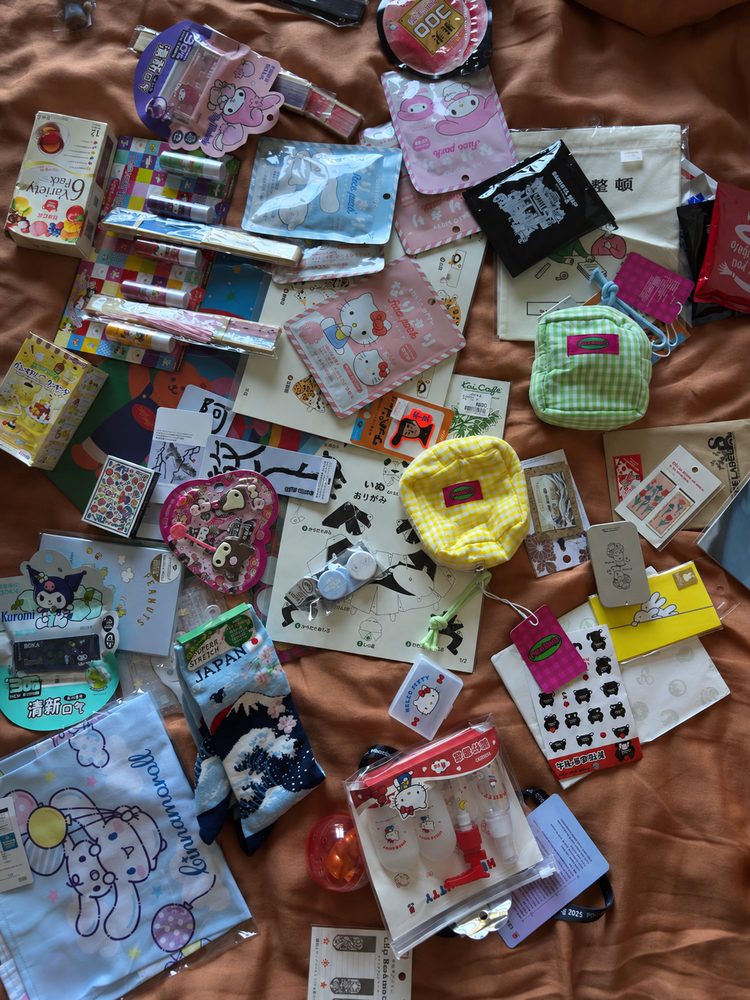
If you love that whole cute aesthetic, our guide to internet aesthetics explains why "kawaii" took over the world.
Where to shop: a quick map
| Store | Best for |
|---|---|
| Don Quijote ("Donki") | Everything at once: snacks, beauty, gadgets, costumes. Many branches open very late. |
| Loft | Stationery, beauty, cute homeware, seasonal gifts |
| Hands | Stationery, DIY, travel gear, clever household tools |
| Muji | Minimal homeware, clothes, snacks, stationery |
| 100-yen shops (Daiso, Seria, Can Do) | Cheap kitchen tools, storage, crafts, chopsticks |
| Konbini (7-Eleven, FamilyMart, Lawson) | Snacks, limited-edition drinks, last-minute gifts |
| Department store food halls | Beautifully boxed sweets and tea for gifts |
Note on 100-yen shops: not everything is 100 yen anymore. Many items cost more, and tax is added at the register, so read the price tags.
How tax-free shopping works now
Japan changed its tax-free system on November 1, 2026. Before, eligible shops simply took the consumption tax off at the register. Now you pay the full price, including tax, and get the tax refunded when you leave the country.
What that means in practice:
- Bring your passport when shopping. Stores still register tax-free purchases.
- The minimum is 5,000 yen before tax in a single store on the same day.
- At the airport or seaport, customs confirms that you're taking the goods out of Japan. Some airports have kiosks where you scan your passport.
- You need to leave Japan within 90 days of purchase.
- Keep tax-free items accessible, not buried at the bottom of your suitcase, in case customs wants to see them.
- Arrive at the airport a little earlier than usual to allow time for this step.
The process is still new, so check the latest guidance from the Japan National Tourism Organization or your departure airport before you fly.
Packing it all home
A few habits make the trip back easier. Buy fragile and perishable things in your final days. Keep a list of who each gift is for, because it's easy to lose track after the fifth konbini run. Ask for small paper gift bags at checkout if you're handing things out, as many shops offer them.
And bring a foldable tote. Almost everyone ends up needing one.
The best souvenir is the one you'll reach for
The things we treasure most from a trip aren't the biggest. It's the pen you use every day, the cloth on the kitchen hook, the mug that makes coffee feel a little more special. Pick a few things like that and you'll carry a bit of Japan with you long after the jet lag fades.
Planning your first visit? Our relaxed Tokyo itinerary shows how to fit shopping in without wearing yourself out. And if you love finding small joys in everyday objects, Japan is going to feel like home.