In this article
Game night sounds easy until you're the host. Suddenly you're wondering how many people to invite, whether anyone will actually like the game you picked, and how to stop your cousin from flipping the Monopoly board again.
The truth is that good game nights don't depend on owning a huge collection or cooking an impressive spread. They depend on a few smart choices made before anyone arrives: the right number of people, a short list of games that fit the group, food that doesn't need a fork, and a loose plan for the evening.
Here's a practical guide to hosting one where you actually get to have fun too.
Start with the guest list
The number of people shapes everything else, so decide it first.
- 3 to 5 people: The easiest size. Everyone can play the same game, conversation flows and you can try strategy or card games with real depth.
- 6 to 10 people: The sweet spot for party games. Big enough for team games and social deduction, small enough that nobody gets lost.
- 11 or more: Doable, but plan to split into two tables or stick to games that work with huge groups, like charades or trivia in teams.
Mix matters as much as size. A group where everyone knows each other can handle loud, teasing games. If it's a mix of friends from different parts of your life, open with something simple that gets people talking and laughing before anything competitive.
Tip: Invite one or two people you know love games. Their energy is contagious and they'll help you explain rules.
Pick games by group size and mood
The most common game night mistake is choosing a game because you like it, not because it fits the room. Use this as a starting point:
| Group size | Mood | Good picks |
|---|---|---|
| 3 to 5 | Chill | Card games like Uno, rummy or Spot It, cooperative games, word games |
| 3 to 5 | Thinky | Strategy board games, deduction games, longer card games |
| 6 to 10 | Loud and silly | Charades, Pictionary-style drawing games, Heads Up-style guessing |
| 6 to 10 | Sneaky | Mafia, Werewolf, imposter-style social deduction games |
| 6 to 10 | Chatty | Would you rather, two truths and a lie, never have I ever |
| 11+ | Anything | Team trivia, team charades, big-group social deduction |
Classic party games
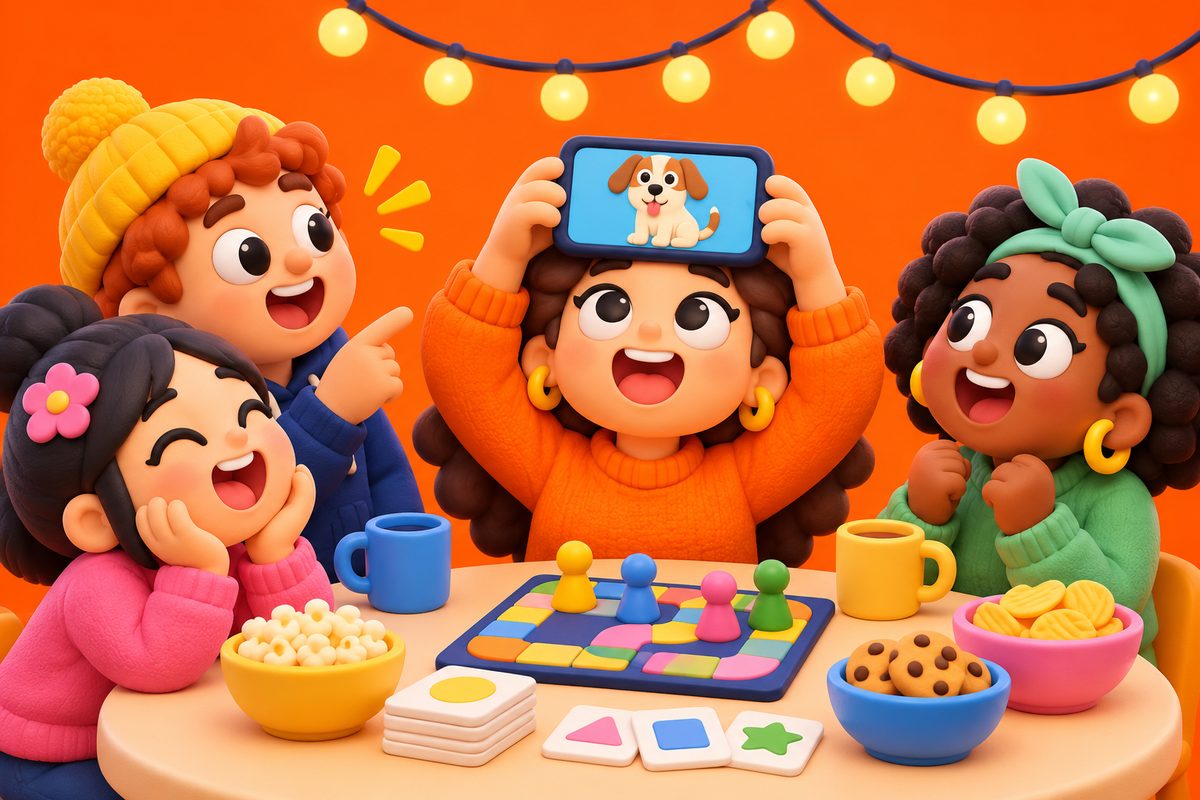
Charades is close to perfect for game night. No setup, no reading, works for any age, and it's hilarious to watch people act out "photosynthesis." Split into two teams and set a one-minute timer per turn. If you don't want to write cards, a phone app does the work for you. Our Charades app has ready-made decks so nobody has to come up with words on the spot.
Social deduction games
Games like Mafia, Werewolf and imposter-style games are great for groups of six or more. Most players are on one team, while a few secret players try to blend in. Everyone argues, accuses and bluffs. They're fantastic for groups that like to talk and tease each other.
The classic versions need a narrator and a bit of rule explaining. Imposter-style games are often simpler: everyone gets the same secret word except one person, who has to fake it. If you want a quick version on a single phone, try our Imposter party game.
Card games
Card games are reliable for smaller groups or for late in the night when energy dips. A standard deck alone gives you dozens of options, like Spoons, Crazy Eights or Go Fish for a laid-back crowd. Fast, simple card games are also great between longer games.
Trivia
Trivia works for any group size if you play in teams. Teams take the pressure off people who don't know many answers, and they turn the night into a group effort. Mix categories so everyone gets a turn to shine: movies, music, food, geography and a weird round like our fun facts that sound fake.
Conversation games
For a chill crowd, or as an opener, conversation games are easy wins. Prepare a list of would you rather questions or play two truths and a lie. They need zero equipment and help guests who don't know each other find common ground.
How many games to plan
Plan three or four games and expect to play two or three. Have a good mix:
- An icebreaker that's quick and easy to learn (10 to 20 minutes).
- A main game that's the highlight of the night (45 to 90 minutes).
- A wild card that's loud and silly, for when energy is high.
- A wind-down game that's short and low-effort for the end of the night.
Learn the rules of every game before people arrive. Nothing kills momentum faster than a host reading a rulebook out loud for 15 minutes. If a game is complicated, play a practice round where nothing counts.
Snacks that don't ruin the cards
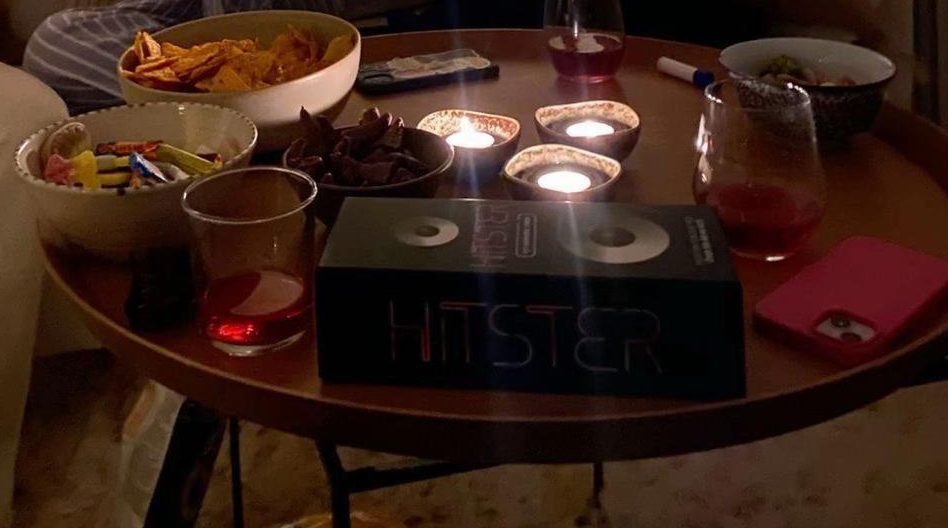
Game night food has two rules: it should be easy to eat with one hand, and it shouldn't leave grease on everything.
Good options:
- Popcorn, pretzels and chips in separate bowls around the room
- Veggies and dip, crackers and cheese
- Mini sandwiches, sliders or wraps cut into small pieces
- Pizza, if you set it up as a break between games instead of eating mid-game
- Cookies, brownies or candy for later in the evening
Put drinks on a separate table so nobody knocks a full cup over the board. And don't be afraid to make it a potluck. Asking each guest to bring one snack takes pressure off you and makes everyone feel part of it.
If anyone has allergies, ask before the night and label any food that contains common allergens.
 Take a break and playPixel ColorsFill the squares, watch the picture appear.Play now →
A simple timeline
You don't need a schedule, but a rough flow helps the evening feel relaxed:
- First 30 minutes: People arrive, grab snacks and chat. Have an easy game ready for early arrivals.
- Next 15 minutes: Icebreaker game once most people are there.
- Main stretch: Your main game, with a short snack break.
- Late evening: A silly or quick game while energy is still up.
- Wind-down: A short game or just hanging out.
Most game nights are best around three hours. Ending while people are still having fun is better than dragging on until everyone's yawning.
Handling competitive guests
Every group has one. A little competitiveness makes games exciting. Too much makes them stressful.
- Choose team games. Teams spread out the pressure, and a competitive person on a team often turns into a great coach.
- Mix in luck-based games. When winning depends on luck, it's hard to take things too seriously.
- Set the tone early. A light "Okay, house rule, no one's allowed to be a sore loser tonight" works better than you'd think.
- Rotate games. If one person keeps winning the same game, switch to something different.
- Laugh it off. As host, your reaction sets the mood. If you treat losing as funny, others will follow.
Including shy guests
Not everyone loves acting things out in front of a crowd. A few ways to help quieter guests have a good time:
- Start with low-pressure games. Card games and trivia let shy people participate without performing.
- Use teams. Being part of a team feels much safer than being in the spotlight alone.
- Give choices. In charades, let people pass or pick an easier card.
- Assign helpful roles. Scorekeeper, timer or narrator are great jobs for someone who wants to be involved without the spotlight.
- Don't force it. Some people genuinely prefer watching, and that's fine. They're still part of the night.
If you're curious why some people get energized by a crowd while others need to recharge afterward, our article on introverts, extroverts and ambiverts explains the differences.
Little things that make a big difference
- Clear a big flat surface. A dining table or floor space works best. Move fragile stuff out of the way.
- Good lighting. Dim, cozy lighting looks great but makes reading cards hard.
- A playlist. Low background music fills the silence between games.
- Phones in a basket. Optional, but it does help keep everyone present.
- A paper and pen. For score, teams and settling arguments.
Keep it fun, not perfect
A stress-free game night isn't one where everything goes to plan. It's one where nobody cares that it didn't. Somebody will misunderstand the rules, a game will flop and you'll run out of chips. None of that matters if people are laughing.
Pick a few games that fit your group, put out snacks, and give yourself permission to play instead of managing. The best hosts are the ones having a good time, and that's what makes guests want to come back next month.